


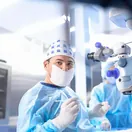
1
Examination: grade and plan
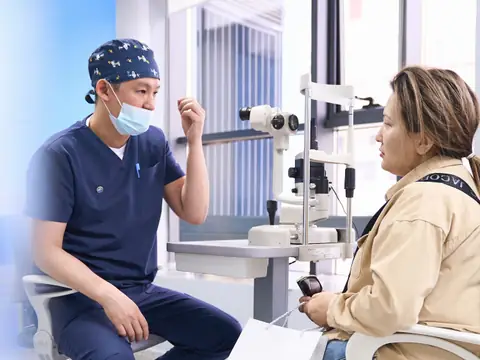
The doctor looks at the growth under a microscope and checks your cornea and vision. You leave with answers: which grade, which price-list row and when to have surgery.
We’ll show who treats it and what it costs.
12 Orynbor St. Look for the blue façade with the eye sign.
A growth on the eye · red eye · grittiness
It’s not cancer, but it won’t go away on its own. Drag to see how far yours has crept — and what it costs to remove it now.
Slight redness at the corner of the eye, sometimes a stinging feeling. Vision isn’t affected.
Protect the eye from the sun and show it to a doctor: is the growth spreading or staying put? If it bothers you, it’s removed right away, at the lowest price-list row.
You can see the growth in the mirror, the eye feels gritty, and the cornea starts to be pulled out of shape — astigmatism appears.
The best time to remove it: the price is still the grade 1–2 row, and the mark stays at the edge of the cornea, not in the centre.
Vision drops noticeably, the eye is often red, watery and stings in bright light.
Remove it now. This is already the grade 3–4 row, and the mark will be right next to the pupil.
The growth covers the area you look through. Vision drops sharply, and the cornea can turn cloudy.
Remove it as soon as possible — to keep the cornea clear.
This is a diagram, not a patient photo. The doctor will name your grade from a photo of your eye taken in daylight.
What people worry about before surgery
Pterygium is an overgrowth of the conjunctiva, the clear membrane covering the eye. It creeps from the corner onto the cornea as a triangular film. It looks alarming, so everyone asks the same questions. We answer them right away, before you book.
“Is it cancer?”
It isn’t a tumour and doesn’t turn into one. The danger is different: it slowly creeps towards the pupil, pulls on the cornea and spoils your vision. That’s why it’s removed rather than watched. If the doctor has any doubt that it’s pterygium, they’ll tell you at the examination.
“If it’s cut out, will it grow back?”
Recurrence happens, honestly: the price list has a separate row for it. Three things lower the risk: removing the growth while it’s small, following the post-op instructions and wearing sunglasses. Drops won’t stop the growth, only slow it down.
“Will it leave a scar?”
So timing is everything. Removed at grade 2, the mark sits at the edge of the cornea and you look past it. Wait until grade 4, and it’s in the centre. Press “Remove at this stage” above and compare for yourself.
Sound familiar
Pterygium grows from sun, wind and dust — slowly, over years. Ultraviolet light and fine particles irritate the conjunctiva at the corner of the eye, and it responds by overgrowing. Astana’s steppe wind and bright sun all year round are exactly those conditions.
Take a photo of your eye in daylight while looking towards your temple — and send it on WhatsApp. That way the doctor sees the growth in advance and tells you which price-list row it falls under. If you need a full eye check — eye diagnostics is 20,000 ₸ per visit.
Millimetres matter
The best moment is while the growth is on the cornea but hasn’t reached the pupil yet. The grade is measured by how many millimetres it has spread past the edge of the cornea. The price-list row depends on the grade too: grades 1 and 2 cost the same, higher grades cost more.
Grade 1
up to 2 mm on the cornea
Slight redness and discomfort, vision is fine. The first signs of astigmatism may already appear.
Protect from the sun, show a doctor, remove if it grows.
from 150,000 ₸ per eye
Grade 2
2–4 mm on the cornea
The growth is visible in the mirror, the grittiness gets worse, astigmatism increases.
Remove it: a smaller operation, the mark at the edge, the same price.
from 150,000 ₸ per eye
Grade 3
4–6 mm on the cornea
The growth is at the pupil: vision noticeably worse, sensitivity to light, watering.
Remove it now, before the centre is covered.
from 200,000 ₸ per eye
Grade 4
over 6 mm
The central zone of the cornea is covered, vision drops sharply, clouding is possible.
Remove as soon as possible.
from 200,000 ₸ per eye
Grades and millimetres are as the clinic’s ophthalmologists describe them. If it grows back after removal, that’s the same row as grade 3–4. Pterygium pulls on the cornea and causes astigmatism; how it’s corrected if it remains is on the astigmatism treatment page.
One day, no hospital stay
Drops instead of general anaesthesia, work under a microscope, home the same day. The surgeon lifts the growth off the cornea and the white of the eye, cleans the cornea and covers the spot. Like a weed: it isn’t snipped off, it’s pulled out by the root and the soil is levelled.
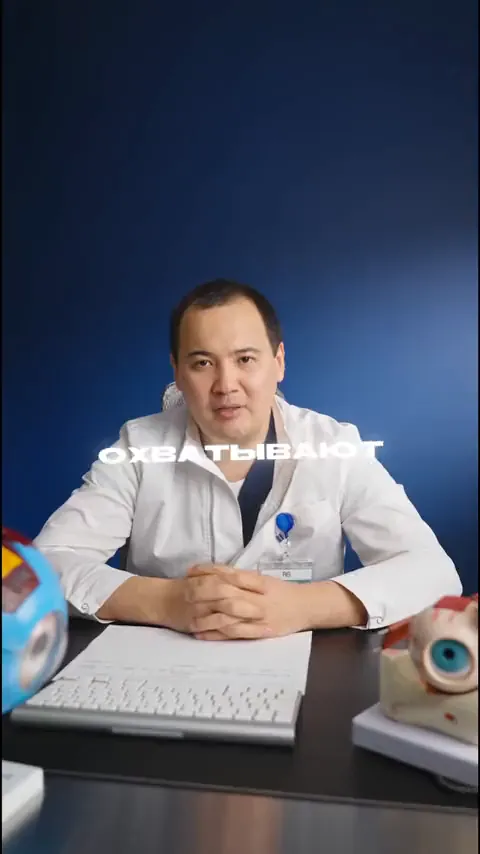
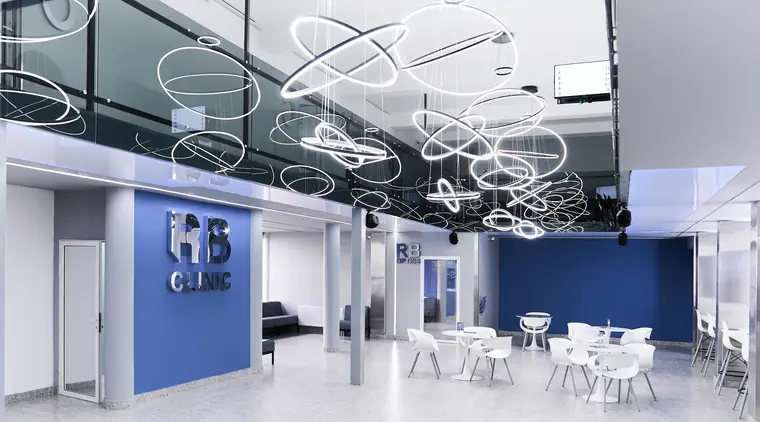
Walk through the clinic — 8 rooms in a minuteStarting with the operating roomThe doctor looks at the growth under a microscope and checks your cornea and vision. You leave with answers: which grade, which price-list row and when to have surgery.
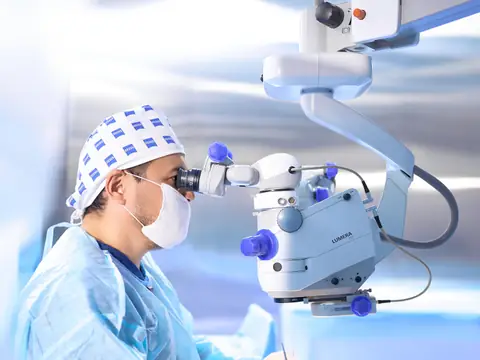
The eye is numbed with drops; you’re awake and simply lie still. The surgeon works under a microscope, so the growth is removed completely without touching healthy tissue.
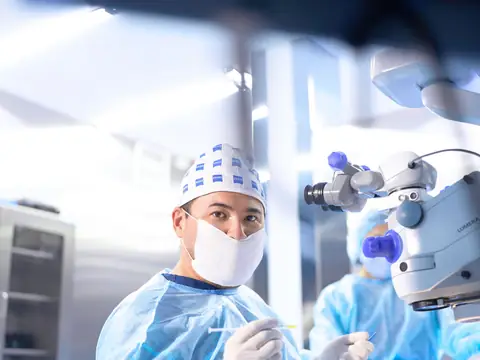
A patch goes on the eye and drops are prescribed. Then come follow-up checks: the surgeon watches how it heals and spots any regrowth if it starts.
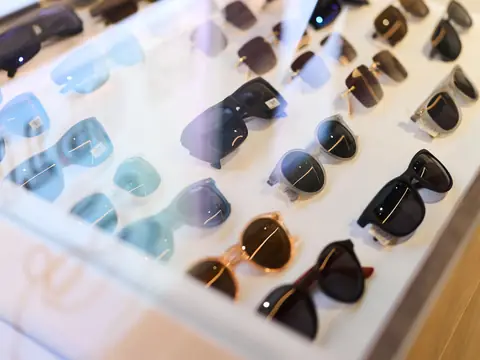
The main protection against recurrence is shielding the eye from ultraviolet light and wind. RB OPTICS is in the same building: you can choose glasses without stepping outside.
How long the operation and your eye’s recovery take, the surgeon will tell you at the examination: it depends on the grade and on whether the growth has been removed before.
The main question
Recurrence isn’t down to luck but to three things, and two of them are in your hands. Like a lawn: pulling out the weed isn’t enough, what matters is leaving nothing for it to grow back from.
The smaller the growth, the smaller the area to cover, and the more calmly it heals. That’s why grade 2 is the best time.
The surgeon’s post-removal instructions aren’t a formality: they calm the inflammation the growth feeds on. At follow-up checks, the doctor spots new growth before you do.
The same cause that grew the film can grow it again. UV-protective sunglasses every day outdoors, especially when driving and in the wind.
Already removed, but the growth came back?
Repeat surgery is done, and the price list has its own row for it — “Grade 3–4 or recurrence”. Bring the discharge summary from the previous operation if you have it.
Price before you book, not after
The price depends on two things: the grade and the surgeon. Choose both — and you’ll see yours. The operation is essentially the same; each surgeon has their own price list. Your choice goes to the administrator with your request, so you won’t have to explain it again.
Grade
Surgeon
All prices are per eye.
Your price
Don’t know the grade? Send a photo of your eye and the doctor will tell you. Haven’t chosen a surgeon? The administrator will find the nearest available time.
Prices are from the clinic’s price list. An ophthalmologist consultation is from 7,000 ₸ per visit, full eye diagnostics is 20,000 ₸ per visit.
Dr. Bigeldiyev’s team
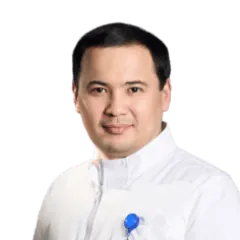
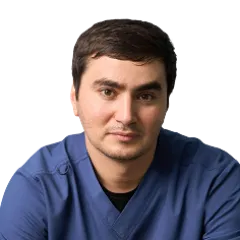
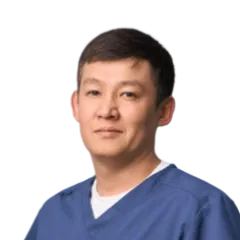
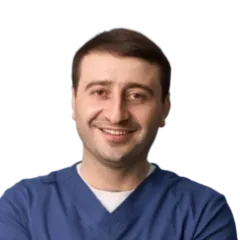
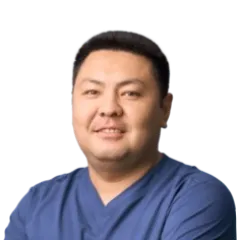
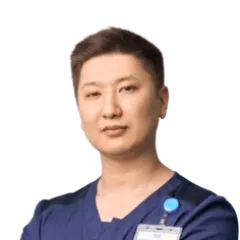
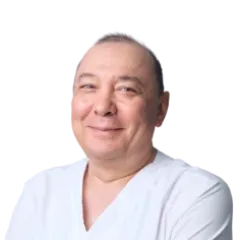
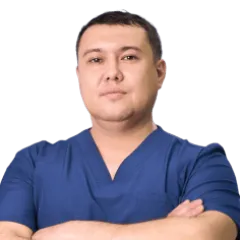
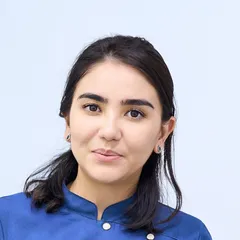
Three ophthalmic surgeons, each with their price shown next to their photo, before you book. The clinic’s founder is Rishat Bigeldiyev: every doctor at the clinic works under his direction, and he operates on complex eyes himself.

Ophthalmic surgeon: consultations and outpatient surgery
She’s a good place to start: she’ll look at the growth, name the grade and explain. “A very attentive and knowledgeable doctor,” — Zhansulu Karamurzina, review of the clinic, July 2026. The most affordable removal price at the clinic.
150,000 ₸ per eye · grade 3–4: 200,000 ₸ per eye
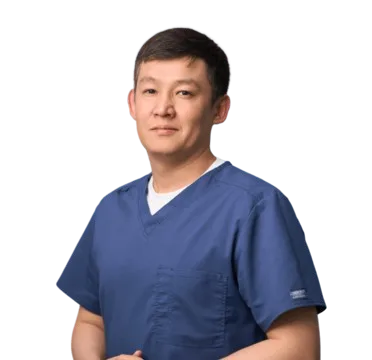
Ophthalmic surgeon
Eye and eyelid in one pair of hands: his price list covers laser correction, eyelids and minor eye surgery — pterygium, chalazion. Before a blepharoplasty, a pre-glaucoma condition was found in one of his patients — she had a laser iridotomy before the operation (Dr. Zhukeyev).
250,000 ₸ per eye · grade 3–4: 300,000 ₸ per eye
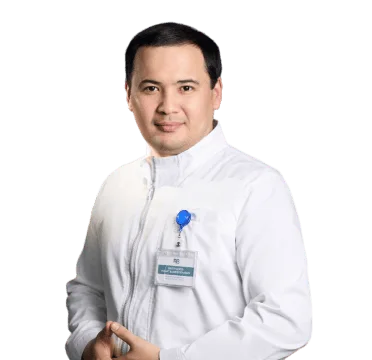
Ophthalmic surgeon, founder of RB CLINIC
Academician, more than 35,000 surgeries. His price list has both rows — a first removal and a growth that has come back.
350,000 ₸ per eye · grade 3–4: 400,000 ₸ per eye
The team handles the examination and preparation; Dr. Bigeldiyev operates himself.
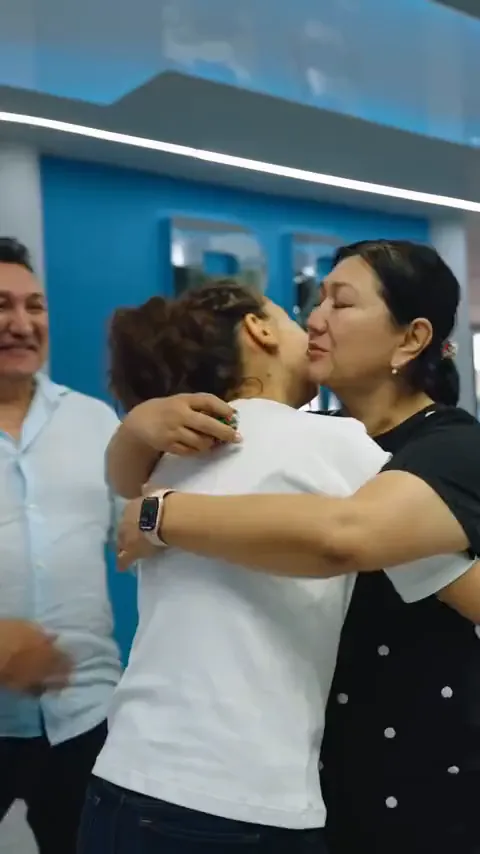
People fly in from other cities and countries — one operating day at the clinic
@dr.bigeldiyev“We will do our best to live up to our patients’ trust, so they can recommend us to their loved ones from the heart”
What you’ll learn from the video
Bigeldiyev Rishat KalilullaevichClinic founder: eyes and eyelids
Tap a video — it opens right here, with sound.
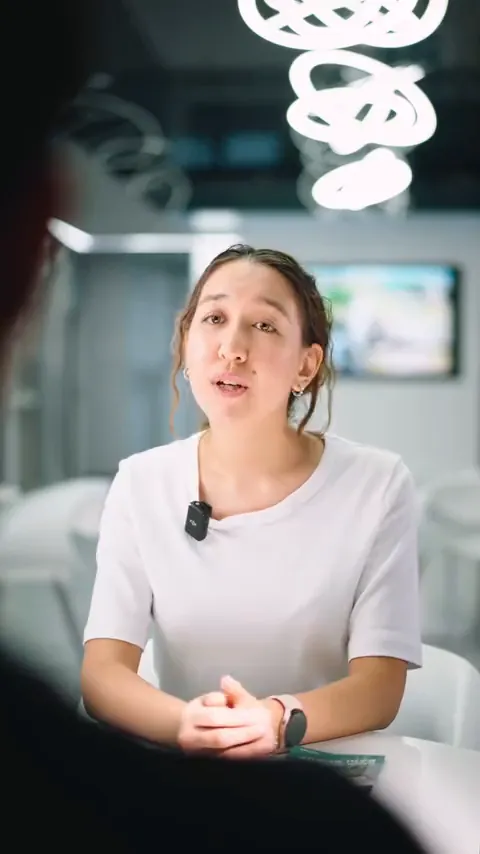
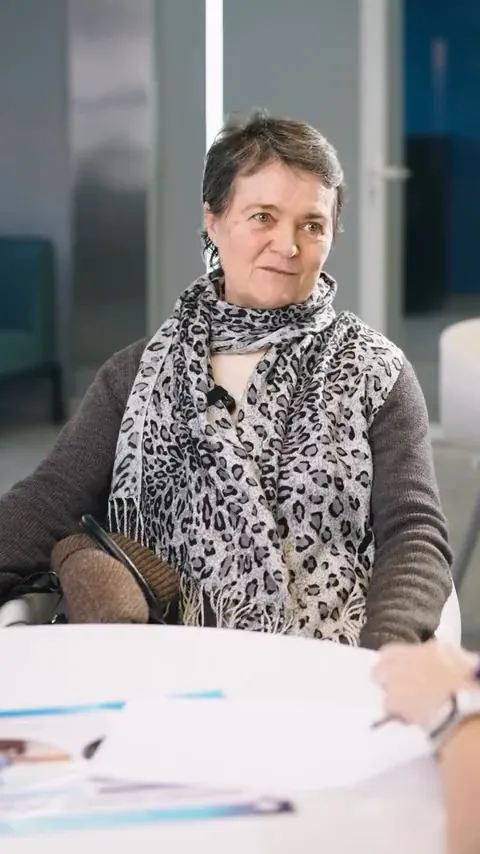
Our own footage, not a single stock shot
Examination, operating room and opticians — all in one building at 12 Orynbor St. Below are the rooms and people you’ll see on the day of removal. Drag the strip or tap a photo.
Videos play here without sound. Tap — it opens with sound.
While the growth is at the edge
Tell us what you see and attach a daylight photo of your eye if you can. The administrator will find a surgeon and a time. Had it removed before? Bring the discharge summary.
If it’s not pterygium, we’ll tell you so.
Call: +7 771 848 00 00
Questions
At RB CLINIC the price depends on the grade and the surgeon. At grade 1–2 it’s 150,000, 250,000 or 350,000 ₸ per eye; at grade 3–4 and for recurrence, 200,000, 300,000 or 400,000 ₸ per eye: these are the price lists of Dr. Dyusenbayeva, Dr. Darbuzov and Dr. Bigeldiyev. An ophthalmologist consultation is from 7,000 ₸ per visit.
No. Pterygium is a benign overgrowth of the conjunctiva, and it doesn’t turn into a tumour. The danger is that it creeps across the cornea towards the pupil, causes astigmatism and can cover the centre you look through. If the doctor has doubts that it’s pterygium, they’ll tell you at the examination.
No. Drops ease the redness and may slow the growth, but they don’t stop it or dissolve the film. The only way to get rid of pterygium is surgical removal. While it’s small and not growing, the doctor may suggest watching it and protecting the eye from the sun.
Before the growth reaches the pupil — usually at grade 2, when it has spread 2–4 mm onto the cornea. The operation is smaller, the mark on the cornea stays at the edge, and the price is the grade 1–2 row. If the growth is spreading or bothers you, it’s removed at grade 1 too.
It can; this is called recurrence. The risk is lower if the growth is removed while small, you follow the surgeon’s post-op instructions, come to follow-up checks and wear sunglasses. If pterygium comes back, it’s removed again at the “Grade 3–4 or recurrence” price-list row.
The eye is numbed with drops, the operation is done under a microscope, and you’re awake. You go home the same day with a patch and prescribed drops. For the first few days the eye may feel gritty — the surgeon will tell you how to ease it.
Where the head of the growth was, the cornea may stay slightly hazier — that’s a faint mark. The earlier pterygium is removed, the smaller the mark and the further from the pupil, so it doesn’t get in the way of seeing. After removal at grade 4, the mark ends up in the centre of the cornea.
Yes. Photograph your eye in daylight without flash, looking towards your temple so the whole growth is visible, and send it on WhatsApp to +7 771 848 00 00. The doctor will estimate the grade in advance and confirm it at the examination.
RB CLINIC, 12 Orynbor St, Astana · +7 771 848 00 00