Keratoconus can be stopped. Move the stage slider and tap “Stitch the fibres” to see how cross-linking holds the cornea in shape. Prices come from the clinic’s price list, and your choice goes to WhatsApp as a ready-made message.
Keratoconus is a disease of the cornea: it thins and bulges into a cone, so vision becomes blurred and distorted and glasses help less and less. At RB CLINIC (Astana, 12 Orynbor St.) the disease is stopped with corneal cross-linking — 325,000 ₸ per eye; before the procedure, diagnostics with Pentacam cost 22,000 ₸ per visit. More about the disease — in the article “Keratoconus explained in simple words”.
If you wanted laser but were told “no”
Turned down for laser correction because of your cornea: what it means
“Thin cornea” and “keratoconus” are not the same thing — and neither is a life sentence. Laser correction isn’t done while keratoconus is progressing: the laser removes part of the cornea, and it’s already short on strength. But a thin cornea without keratoconus is often fine for PRK, and keratoconus that has been stopped is a reason to come back to laser later. Here are three cases — find yours: the whole treatment depends on it.
Case 1 · thin but even cornea
PRK often works
PRK doesn’t spend corneal thickness on a flap — the laser works on the surface. That’s why it’s chosen when the cornea isn’t thick enough for other methods. If you were turned down “because of thickness”, that isn’t a no to correction yet.
list price175,000 ₸special price 100,000 ₸ per eye · PRKoffer ends 31 October
While the cone is growing, any surgery that removes cornea is risky. Cross-linking does the opposite — it strengthens it. Once the cornea is stable, the surgeon decides about laser: it all depends on your prescription and the thickness left.
Pentacam maps the thickness and shape of your cornea. If you have an earlier scan, bring it: two maps show whether the cone is growing or standing still. Everything else depends on that.
Laser correction is done from 18 to 45, and thickness isn’t the only thing that decides it. PRK, Femto-LASIK and ReLEx SMILE cost 100,000, 250,000 and 350,000 ₸ per eye at the special price (list price 175,000, 300,000 and 400,000 ₸); which of them suits your eye, and whether any does, the surgeon will tell from the scan.
Cross-linking doesn’t cut the cornea — it stitches it. It is the main treatment for keratoconus. The cornea is made of layers of collagen fibres. In keratoconus the bonds between them weaken and the cornea stretches like an old jumper. Cross-linking adds new cross-bonds: as if knots were woven into a rope of loose threads — and it stops stretching.
Before the procedure the cornea is measured once more: its thickness decides whether cross-linking is possible and what dose is needed. Diagnostics — 22,000 ₸ per visit.
2
Drops instead of general anaesthesia
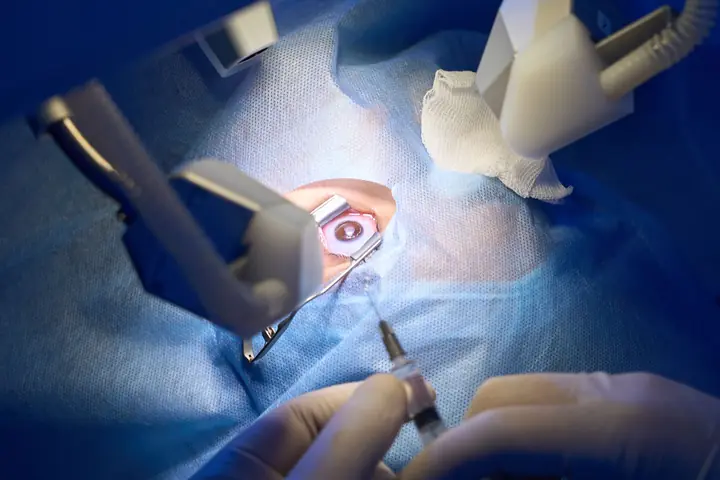
It’s done under local anaesthesia: the eye is numbed with drops, you stay awake and lie still.
3
Riboflavin
The cornea is soaked in riboflavin solution — that’s vitamin B2. It becomes the “glue”: without it, light won’t stitch the fibres.
4
Ultraviolet on the CF X-LINKER
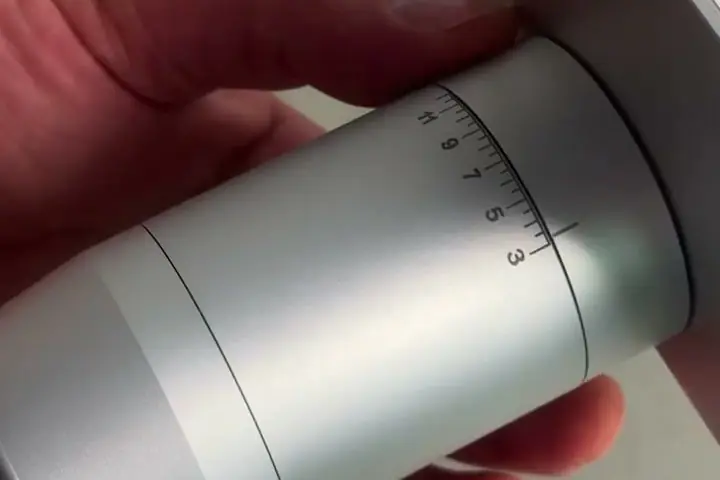
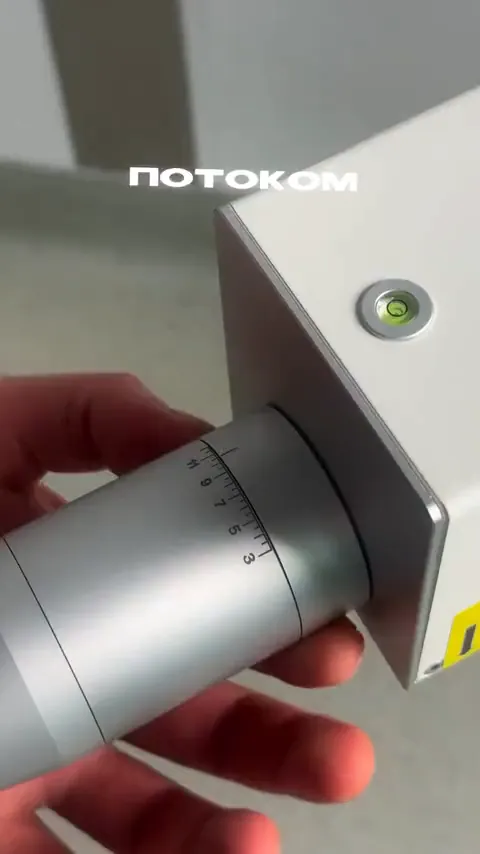
The lamp shines on the cornea, the riboflavin switches on, and new bonds form between the fibres. The light dose is set for your cornea — exactly as much as it needs.
5
A lens, drops — and home
A soft protective lens goes on the eye, you get a drops schedule — and you go home the same day. Follow-up checks for three months after surgery are free.
325,000 ₸per eye · 500,000 ₸ for both eyes
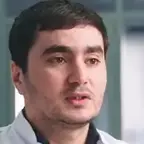
At RB CLINIC cross-linking is done by Dr. Zhukeyev. At the visit he’ll tell you how long to wear the protective lens and use the drops, and when you can go back to study or work — it depends on your cornea.
What cross-linking does for keratoconus — and what it doesn’t
Cross-linking is a brake, not a time machine. It stops the cornea thinning and the cone growing, but it doesn’t give back what keratoconus has already taken. That’s why the key word in keratoconus treatment is “early”: the less the cornea has stretched, the more sight you keep.
What it does
Stops the cone growing. The cornea stops thinning — your glasses and lenses stop “running away” every year.
Keeps a corneal transplant away. That’s exactly why keratoconus treatment starts young: so it never comes to transplant surgery.
Keeps the sight you have. What you see in your glasses today stays with you.
Leaves the door open to laser. Once the cornea is stable, the surgeon looks at your prescription and thickness — and decides whether laser correction is possible later.
What it doesn’t do
Doesn’t give back what’s lost. If vision has already dropped, glasses or rigid contact lenses make up the difference.
Doesn’t free you from glasses. Cross-linking treats the cornea, not the prescription: glasses stay until the surgeon decides otherwise.
Never done blind. Cross-linking isn’t prescribed without a Pentacam scan: the cornea must be thick enough to take it.
Doesn’t work overnight. The cornea settles gradually — follow-up scans will show it.
Our own photos, no stock
Keratoconus treatment at RB CLINIC: see for yourself
Three rows — three steps of the same treatment that awaits you. Top: where the cornea is measured. Middle: the CF X-LINKER that strengthens it. Bottom: Dr. Zhukeyev’s laser days — where the road leads once the cornea is stable and thick enough.
Light tuned to your cornea
12 photos from the clinic · drag the strip or tap a photo
Doctors explain it themselves
Why cross-linking: so a thin cornea doesn’t lead to a transplant
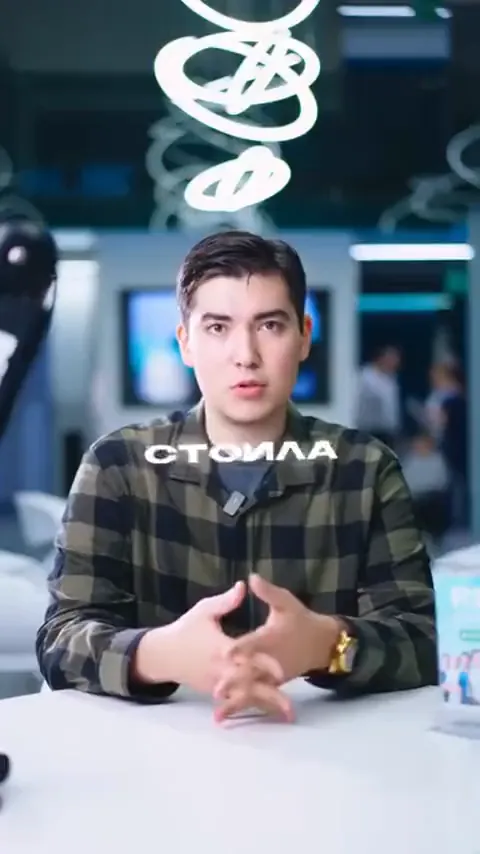
Is laser possible after cross-linking? The clinic founder answers
Why a lamp with an adjustable dose: every cornea gets its own light
I want to say a huge thank you to my doctor, Sagat Serikovich, for my vision correction. From the very first visit you feel real professionalism, confidence and calm — it helped me a lot with my nerves before the procedure. Everything was explained in detail, without rushing, and at every stage I understood what was happening. The correction itself was quick and comfortable, and the result exceeded all my expectations — my vision became sharp, as if a new world had opened up. Thank you for your care, support and an excellent result.
Corneal treatment and laser are done by the same surgeon — so you never have to choose between someone’s “own” method and an honest answer. If laser becomes possible after cross-linking, the decision is made by the person who has seen your cornea from the very start.
Zhukeyev Sagat Serikovich
Cross-linking and all three laser methods
He does cross-linking at the clinic. He also does PRK, Femto-LASIK and ReLEx SMILE — and can honestly tell you when your cornea is thick enough for laser. His patient on Yandex Maps (review by K A, 10.02.2026): “everything was explained in detail, without rushing”.
in ophthalmology since 2019
cross-linking 325,000 ₸ per eye · 500,000 ₸ for both eyes
Runs diagnostics before laser and for keratoconus with Pentacam. If you’re not sure whether your cornea is just thin or it’s already keratoconus — that’s his field.
operating since 2018
diagnostics 22,000 ₸ per visit · laser from 100,000 ₸ per eye at the special price, list price 175,000 ₸
He chose the cross-linking device himself: one with the dose set for each patient, not a single beam for everyone — he talks about it in the video above. He has performed over 35,000 surgeries.
over 35,000 surgeries
Cross-linking is done by Dr. Zhukeyev — under his leadership
All prices come from the clinic’s price list, with the unit. Keratoconus treatment starts with diagnostics: the corneal scan shows whether you need cross-linking, in one eye or both, and whether laser can be discussed later.
Corneal cross-linking
Performed by Dr. Zhukeyev on the CF X-LINKER
One eye325,000 ₸per eye
Both eyes500,000 ₸for both eyes
Follow-up checks for three months after surgery — free
PRK175,000 ₸ 100,000 ₸per eye · special price until 31 October
Femto-LASIK300,000 ₸ 250,000 ₸per eye · special price
ReLEx SMILE400,000 ₸ 350,000 ₸per eye · special price
Kaspi RedKaspi instalments with no overpayment for 12 months, for any surgery; up to 24 months with Kaspi Juma
Cross-linking costs less than the surgery it protects you from. A corneal transplant is major surgery with donor tissue, a long recovery and a risk that the tissue won’t take. Early cross-linking is there so it never comes to that.
First step
Start with Pentacam
The whole treatment starts with one visit: you’ll know whether you have keratoconus, what stage it is and what to do next. If you have earlier corneal scans, bring them: two maps show whether the cone is growing.
Keratoconus is a disease in which the cornea thins and bulges into a cone. Normally the cornea is a smooth clear dome, like a watch glass. In keratoconus its fibres weaken, the centre or lower part of the dome pushes forward, and the dome starts to look like the tip of an egg. Light bends unevenly, and the picture doubles and blurs.
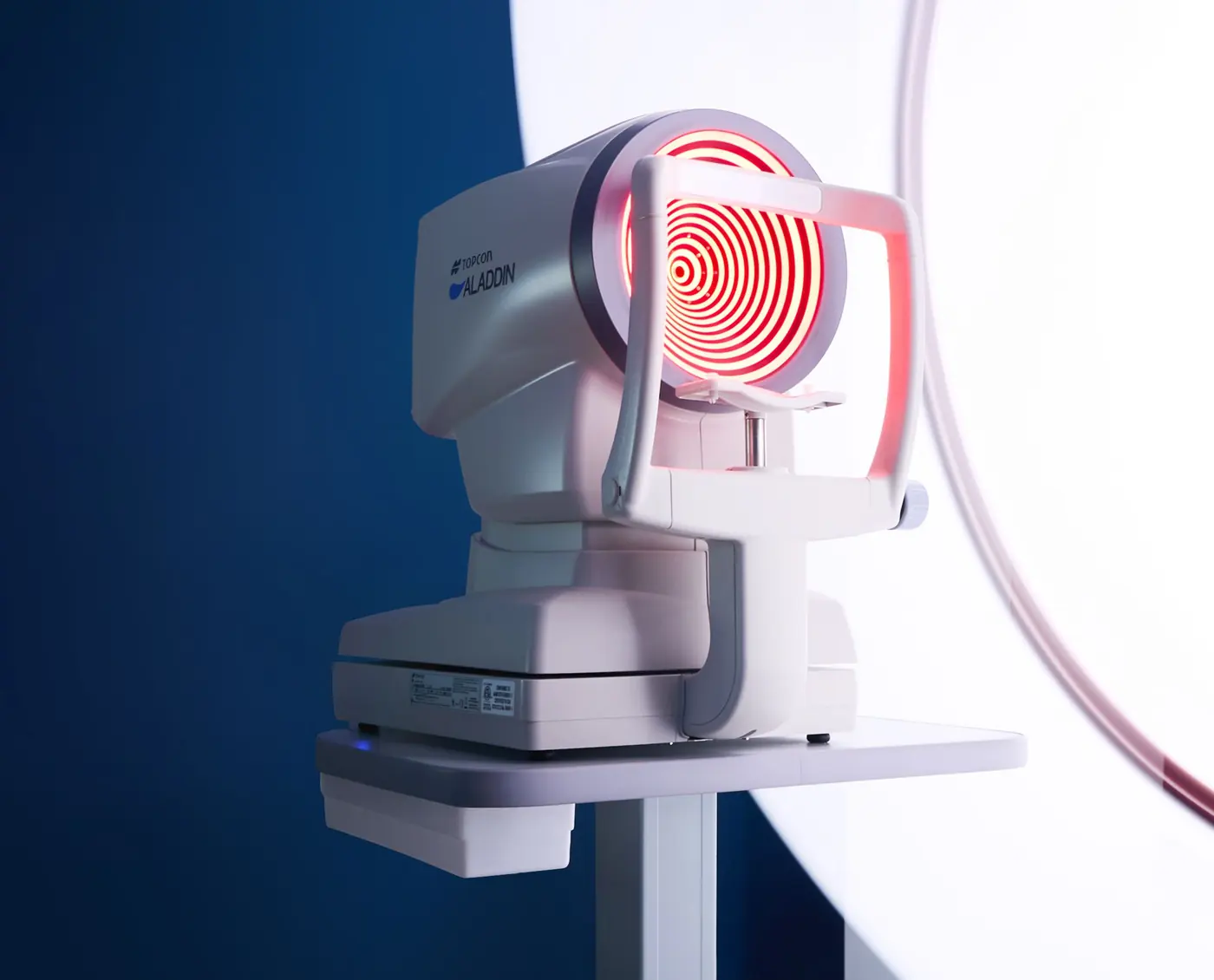
The rings on the cornea show whether it’s even or not
Keratoconus usually starts in the teens or early twenties and can progress until 35–40 — at its own pace for everyone. That’s why it’s so often found in students and in people who come for laser correction: the diagnostics before laser is the first place the cornea gets measured properly.
At an early stage keratoconus is easy to mistake for ordinary myopia or astigmatism: glasses still help, and this is exactly when treatment saves the most sight. Later the cornea stretches further, glasses help less and less, and rigid contact lenses are needed. At an advanced stage the cornea is noticeably thinner, lenses get harder to fit, and scars can appear.
How keratoconus differs from astigmatism. Ordinary astigmatism in adults stays the same for years. In keratoconus astigmatism grows, the axis in the prescription “wanders”, and new glasses don’t give a clear picture. Only a corneal scan can tell them apart for sure.
Signs of keratoconus: five signals
Your glasses change every yearThe prescription “runs away”, and the astigmatism grows from one check to the next.
New glasses don’t make things sharpEven in new glasses letters double and stretch, especially in one eye.
Halos around lightsAt night street lights and headlights get a halo, and your eyes are more sensitive to light.
You keep wanting to rub your eyesRubbing your eyes out of habit, and hard, is exactly the kind of mechanical pressure that harms the cornea.
Turned down for laserA doctor said “thin cornea” or “suspected keratoconus” — that’s a reason to get a Pentacam scan, not to forget about it.
Keratoconus has different causes. It often runs in families: if a parent had keratoconus, it’s worth checking your cornea. The second factor is mechanical: the habit of rubbing your eyes. There’s also ectasia after refractive surgery — when the cornea turns out weaker after laser than expected. In all these cases the treatment is the same: stop the thinning while the cornea is still thick.
Keratoconus glossary
Cornea
The clear dome in front of the pupil. It’s what thins in keratoconus, and what cross-linking strengthens.
Cross-linking (CXL)
Strengthening the cornea with riboflavin and ultraviolet light: new bonds form between the collagen fibres. Also written “crosslinking”.
Riboflavin
Vitamin B2. Under ultraviolet light it “stitches” the corneal fibres.
Pentacam
A device that maps the thickness and shape of the cornea. It’s used to stage keratoconus.
Ectasia
Bulging of a thinned cornea. Keratoconus is the most common ectasia.
Corneal transplant
Replacing your own cornea with a donor one. What cross-linking keeps you from needing.
Questions
Questions about keratoconus treatment
Can keratoconus be cured?
It can be stopped, not reversed. Cross-linking strengthens the cornea and stops the cone growing, but it doesn’t give back what’s already lost: that vision is made up with glasses or rigid contact lenses. That’s why keratoconus is best treated early, while the cornea is still thick.
How much does cross-linking cost in Astana?
At RB CLINIC cross-linking (also written “crosslinking”) costs 325,000 ₸ per eye and 500,000 ₸ for both eyes. Before the procedure you need diagnostics with Pentacam — 22,000 ₸ per visit. Follow-up checks for three months after surgery are free.
Can I have laser correction with keratoconus?
Not while keratoconus is progressing: the laser removes part of the cornea, and it’s already short on strength. Cross-linking comes first. Once the cornea is stable, the surgeon looks at your prescription and thickness and decides whether laser correction is possible. If you simply have a thin cornea without keratoconus, PRK often works.
How does keratoconus progress?
In stages and at different speeds. It usually starts in the teens or early twenties and can continue until 35–40. First vision drops a little and it looks like astigmatism, with halos around lights. Then the cornea stretches into a cone, glasses help less, and rigid lenses are needed. At an advanced stage the cornea becomes noticeably thinner and scars can appear.
What sports can I do with keratoconus?
Calm ones: swimming in goggles, exercise bike, walking, light jogging, yoga without upside-down poses. Contact sports — boxing, wrestling, martial arts — and games with a risk of a blow to the eye (football, basketball, hockey, tennis) are not recommended: any blow is dangerous for a thinned cornea.
Can keratoconus qualify for disability status?
It can, if keratoconus has badly reduced vision and gets in the way of living and working. The decision is made by the medical and social assessment board, case by case. It’s wiser not to let it get that far: early cross-linking keeps the sight you have.
Can I go to a sauna after cross-linking?
Not while the cornea is healing: high heat and humidity interfere with healing and with the result. The pool and workouts will have to wait too. Dr. Zhukeyev will give you the exact timing at a follow-up check — it depends on how your cornea is healing.
What happens if keratoconus isn’t treated?
The cornea keeps thinning. In advanced cases scars appear that make vision even worse, and in severe ones a corneal transplant is needed: major surgery with donor tissue and a long recovery. Cross-linking is there so it doesn’t come to that.

























 Kaspi Red